Perth airport (PER)

Content written by
German Giudici
.
Creator of the Aeropuertos del Mundo website network since 2007.
Location details, contact information, airlines, departure and arrival flight status, transportation, facilities and services, parking, special passenger amenities, nearby hotels and answers to passengers' frequently asked questions.
Passenger Guide
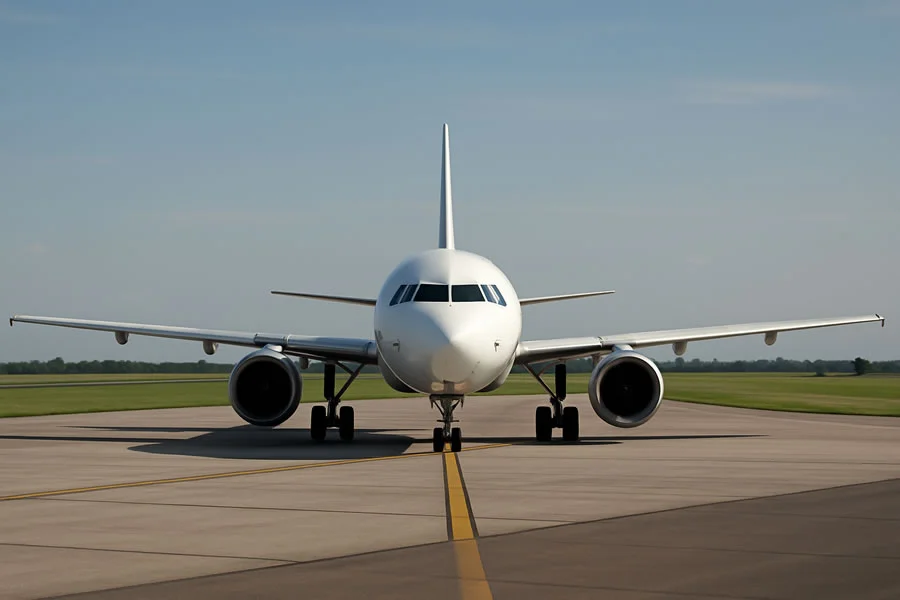
Perth Airport (PER), opened on 17 June 1944, is the main air transport hub of Western Australia and one of the most important in the country. It also serves as a vital connection point for the state's natural resources industry. In addition to its extensive domestic network, it offers direct international routes to key global centres such as London, Paris, Rome, Singapore, Hong Kong, Tokyo, Dubai, Doha, Johannesburg and Auckland.
Official Website: perthairport.com.au
Phone: +61 8 9478 8862
Annual traffic (2025): 17.5 million passengers.
Terminals
The airport has four terminals spread across two precincts separated by the runways. The eastern precinct houses Terminal 1 (international and domestic) and Terminal 2 (domestic and regional), while the western precinct contains Terminals 3 and 4 (Qantas domestic).
Terminal 1 International operates 24 hours a day. Domestic terminals generally open at 3:30 am or 90 minutes before the first scheduled flight, closing after the final evening operation.
Terminal connections: A free shuttle bus service called Terminal Transfer connects both precincts of the airport 24 hours a day. It runs approximately every 20 minutes between 6:00 am and 10:00 pm, and every 30 minutes during the rest of the day. The estimated journey time is 15 minutes.
Information services
Passengers can find information desks on the ground floor of Terminal 1 and in the baggage claim area of Terminal 3. In addition, the airport has a team of volunteers identified by their gold uniforms (Gold Coats), who provide assistance and guidance at various points throughout the terminals.
Location
The airport is located 10 km (6 miles) east of the city’s central business district of Perth.
See MapParking services at Perth airport (PER)
The airport offers a wide range of parking options tailored to different needs and budgets, all monitored by security cameras and 24-hour patrols. To obtain the best rates, it is recommended to book in advance via the official website.
Short Stays and Passenger Pick-up
For those visiting the airport to quickly drop off or pick up passengers, there are designated areas with grace periods:
- T2 Pick-up & Drop-off: The first 5 minutes outside Terminal 2 are free of charge.
- T3 & T4 Express: A dedicated area outside Terminals 3 and 4 offering the first 6 minutes free.
- Short Term: Car parks located just steps from the terminals, ideal for short stays of a few hours.
Long Stays
This is the most economical option for trips lasting several days or weeks. These car parks are connected to the terminals by a complimentary shuttle bus service operating 24 hours a day, with a frequency of 15 minutes. As a notable benefit, the Long Term car park offers the first hour free, making it a useful option even for longer-than-usual waiting times.
Premium and Valet Parking
- Premium Parking: Covered and more spacious bays located just a 1-minute walk from the check-in area of Terminals 3 and 4.
- Valet Parking: Valet service available at Terminal 1 (International) and in the Terminals 3 and 4 precinct, allowing you to drop off and collect your vehicle directly at the departures area.
Motorcycle Parking
The airport encourages the use of smaller vehicles by offering motorcycle parking in designated areas within the Short Term car parks at all terminals. It is important to park only in marked spaces to avoid fines; otherwise, standard car rates will apply.
Accessibility
Designated spaces for disability permit holders (ACROD) are available in all airport car parks, located close to terminal access points or shuttle bus stops.
To check the latest pricing and manage bookings, visit the official airport parking website.
Facilities for passengers with special needs
Perth Airport is committed to universal accessibility, offering adapted infrastructure and specialised services to ensure a comfortable and safe experience for all travellers. To guarantee the best assistance, it is essential to contact your airline or travel agent at least 48 hours before departure to arrange the necessary support from your arrival at the airport through to boarding.
Mobility and Infrastructure
All terminals feature ramps, lifts, automatic doors, Braille signage, tactile floor indicators and accessible telephones. Car parks include designated spaces for holders of ACROD permits (disability parking) located near the entrances. Internal transport services, including shuttle buses and Transperth trains, are fully equipped to accommodate passengers with reduced mobility.
Hidden Disabilities and Sensory Support
The airport participates in the international Sunflower Lanyard scheme, designed for people with non-visible disabilities (such as autism, dementia or chronic pain) who may require extra time or support. Passengers can request a sunflower lanyard to discreetly indicate their needs to trained staff. In addition, on Level 1 of Terminal 1 International there is a Sensory Room, a calm and controlled space designed to reduce sensory stress before flying.
Specialist Facilities
- Changing Places: High-dependency accessible toilets featuring ceiling hoists, adult changing benches and additional space for carers, located in T1 International (Arrivals) and Terminal 4.
- Bins4Blokes: The airport supports men’s health initiatives by providing dedicated disposal bins for incontinence products in selected male restrooms.
- Service Animals: Designated relief areas for assistance animals are located outside Terminals 1 (international precinct) and 4 (domestic precinct).
Travelling with Children
Baby care rooms are available in all terminals, equipped with changing tables, private feeding areas and facilities to warm food. To help children with autism spectrum disorder (ASD) prepare for travel, the airport provides downloadable “social stories” that visually explain security and boarding processes.
Security and Medical Devices
Passengers with implanted medical devices (such as pacemakers or insulin pumps) or those carrying specific medical supplies may request manual screening procedures at security checkpoints. It is recommended to carry a medical letter or official certificate detailing your condition to help speed up the process.
Latest updates: April 8, 2026
 Airports in Australia